One of the clearest examples yet of how commercial real estate has changed since the pandemic received final approval this week. The Lake Forest City Council voted 4 to 1 to deny an appeal and uphold approval of the redevelopment of 26200 Enterprise Way, allowing an existing office building to be demolished and replaced with a new 165,803 square foot industrial building. The Council determined that the project is consistent with the property's existing Light Industrial zoning and approved the Environmental Impact Report and Site Development Permit.
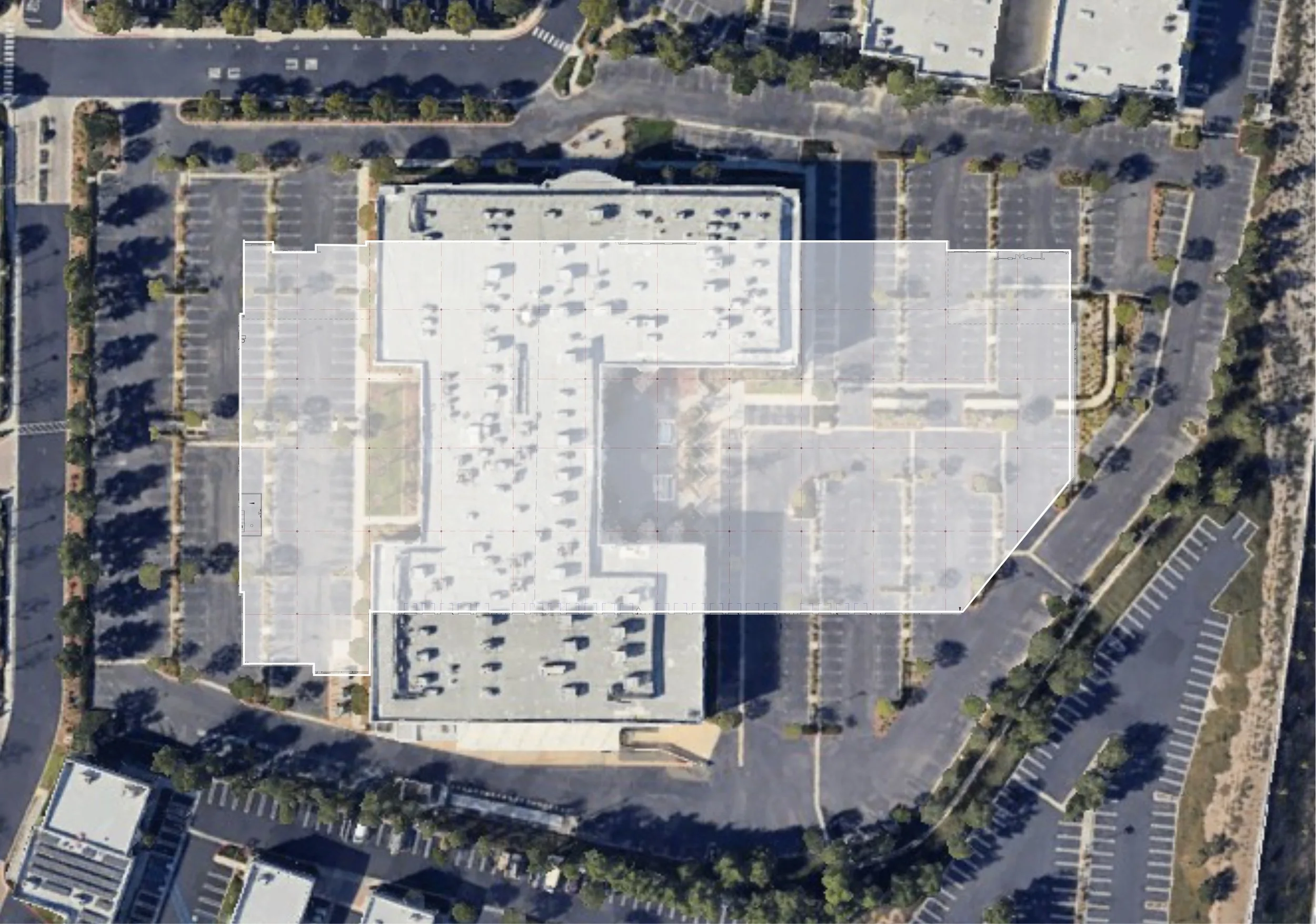
Shape of planned industrial building conversion in Lake Forest
More Than a New Building
At first glance, this appears to be another industrial development project. In reality, it tells a much bigger story about where the commercial real estate market is headed. The project replaces a perfectly functional office building with a modern industrial facility. Twenty years ago, that would have seemed unlikely. Today, it reflects one of the most significant shifts in commercial real estate.
The demand for traditional office space has declined since COVID as many companies have permanently adopted remote or hybrid work models. At the same time, industrial properties have become one of the most sought after asset classes as businesses require more warehouse, manufacturing, and distribution space to support continued growth in e commerce and changing supply chains. In South Orange County, where industrial land is extremely limited, the result has been historically low vacancy rates, strong demand, and continued pressure to modernize older industrial properties.
Why the Project Was Appealed
The appeal was filed by a group of homeowners whose neighborhood is adjacent to the project. Their primary concerns centered on increased truck traffic, vehicle traffic, and noise that could result from a larger industrial building operating next to their community. These concerns are understandable whenever industrial development occurs near residential neighborhoods, and the City Council heard extensive public testimony before reaching its decision.
Why the City Council Upheld the Project
After considering testimony from both supporters and opponents, the City Council voted 4 to 1 to deny the appeal. The Council's decision was based largely on the fact that the property has long been designated and zoned for Light Industrial uses. While acknowledging the concerns raised by nearby residents, the Council concluded that the proposed redevelopment is consistent with the City's long established land use policies and complies with the applicable planning and environmental review process.
A Trend We Are Seeing Across Orange County
This project is not an isolated example. Across Orange County, many older commercial properties are being evaluated to determine their highest and best use. Office buildings that once commanded strong demand are facing increasing challenges, while industrial properties continue to experience some of the strongest fundamentals in commercial real estate. For property owners, developers, and businesses, this means redevelopment opportunities are increasingly being driven by market demand rather than simply preserving existing buildings.
My Take
As someone who specializes in industrial real estate throughout South Orange County, I believe this project illustrates an important reality. Commercial real estate markets evolve. Buildings that made perfect sense twenty or thirty years ago do not always meet today's economic needs. The continued expansion of e-commerce, advanced manufacturing, logistics, and owner-user businesses has created sustained demand for modern industrial facilities, while demand for traditional office space has softened.
The City's decision was ultimately not a choice between industrial and residential uses. It was a decision about whether a property that has long been zoned for industrial use should be allowed to evolve to meet today's market demands. I expect we will continue to see similar redevelopment projects throughout Orange County as property owners adapt older commercial properties to the changing needs of today's economy.